Spring cleaning, a move, or a long-overdue garage clear-out all lead to the same question: will anyone actually take this? Knowing the items charities won’t accept before you book saves you a wasted trip, a refused load, and a lot of frustration.
The short version is that charities need items they can safely pass on, and that is usually things that are clean, complete, and working. This guide covers eight common items that get turned away, why, and what to do with them instead.
Which Items Do Charities Usually Refuse?
Most charities decline items that are damaged, unsafe, or unsellable, though policies vary by organization. Here are eight categories that are commonly turned away.
| Item | Why it’s often refused | What to do instead |
|---|---|---|
| Broken or wobbly furniture | Safety risk and not resellable | Recycle or dispose of responsibly |
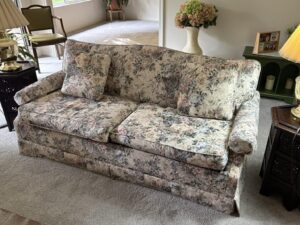
| Stained, torn, or smelly upholstery | Hygiene and resale concerns | Recycle or dispose of responsibly |
| Anything with pests | Risk of spreading to other homes | Dispose of; do not donate |
| Paint, chemicals, pesticides, batteries | Household hazardous waste | Use a local hazardous waste program |
| Older or expired baby safety gear | Safety standards change over time | Check the manufacturer and recall notices |
| Non-working electronics | Can’t be resold as-is | Use a certified electronics recycler |
| Incomplete sets or missing parts | Hard to use or resell | Find the missing pieces or recycle |
| Heavily worn mattresses | Condition and hygiene standards | Recycle or dispose of responsibly |
Why Do Charities Turn Items Down?
Charities decline items mainly because they have to be safe, clean, and sellable or giftable to someone else. Staff and volunteers have limited time and storage, and every unusable item costs them money to haul away.
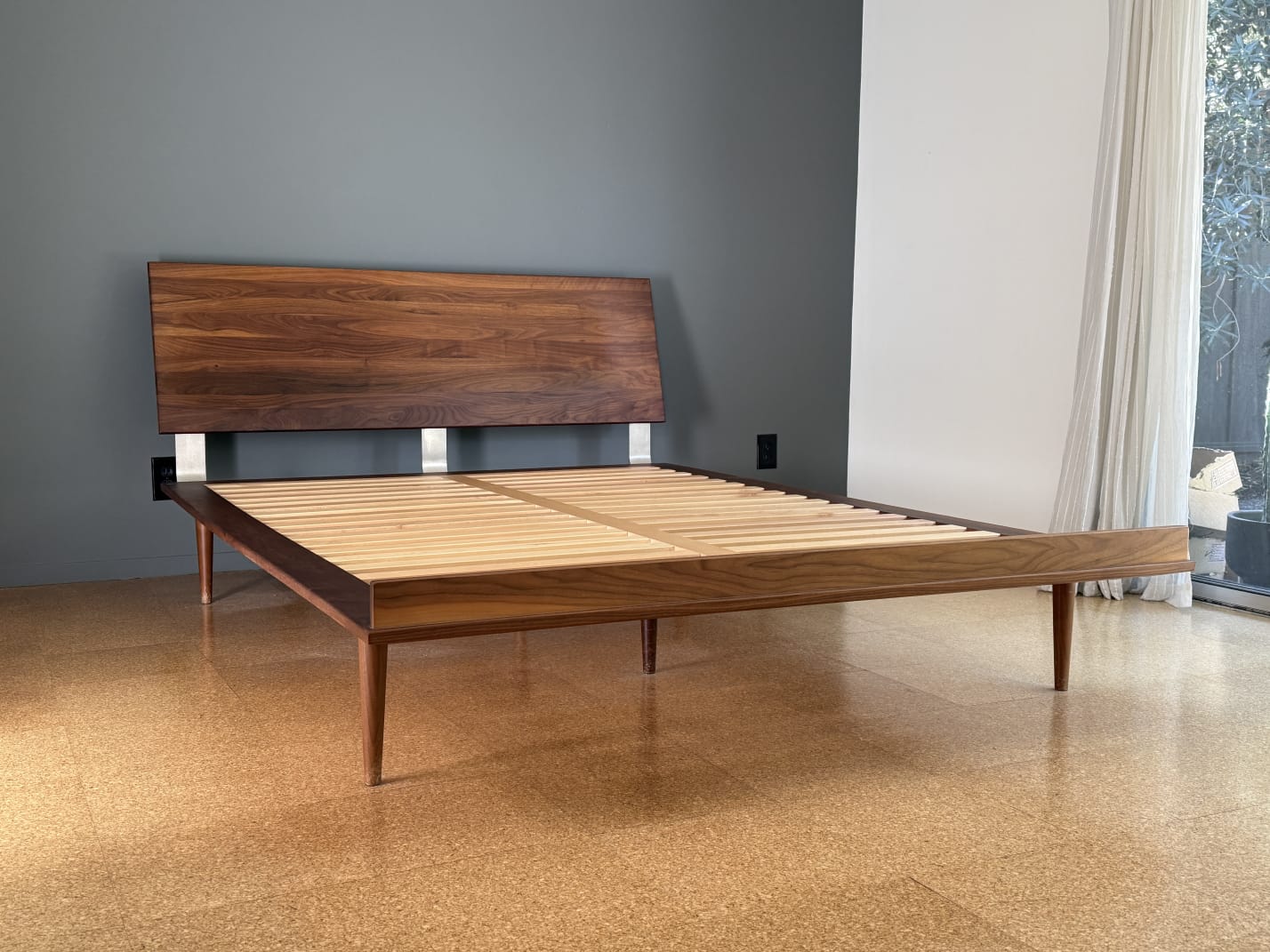
That’s why condition matters more than age. A twenty-year-old solid wood dresser is often welcome, while a three-year-old couch with a broken frame is not. Our donation guidelines explain what we look for.
How Can You Tell Whether Your Item Is Donatable?
The simplest test is to ask whether you’d give it to a friend. If you’d be comfortable handing it over as-is, it’s probably a good candidate. If you’d feel the need to apologize for it, it’s probably not.
- Is it clean? Wipe, vacuum, or launder it first.
- Is it complete? Check for missing parts, cushions, or hardware.
- Does it work? Plug in appliances and electronics to confirm.
- Is it safe? Look for broken frames, loose legs, or frayed cords.
- Is it free of odors and pests? If not, it’s best to let it go.
For specific items, see our guides on whether you can donate a couch or donate a mattress.
What Happens to Items That Can’t Be Donated?
Items our charity partners can’t accept are recycled or responsibly disposed of. That means a load that’s partly usable and partly worn out doesn’t turn into a second job for you.
Some items need special handling. The EPA explains that products like paint, cleaners, and pesticides count as household hazardous waste and should go to a local collection program, not the trash or a drain. Old televisions and monitors are another common one, so read how to donate or recycle flat screen TVs safely.
How Does Donation Pickup Work?
Booking takes a few minutes, and our team handles the lifting. Here’s the process:
- Book. Use our online booking form or call (925) 605-7055.
- Get a quote. Pricing depends on the type and number of items. See our pricing guide.
- We load and haul. Our team works from anywhere in your home.
- Donation or responsible disposal. Usable items go to a trusted charity. The rest is recycled or responsibly disposed of.
- You get a receipt. A donation receipt is emailed after delivery.
Frequently Asked Questions
Can I donate a couch with a small stain?
Sometimes. Charities decide case by case, and light, cleanable marks are more likely to pass than set-in stains or odors. Clean it first, take a photo, and mention it when you book so expectations are clear. See our couch donation guide for the checklist.
Do charities take broken furniture?
Rarely. Most need furniture that is sturdy and usable, because staff can’t resell or safely give away wobbly or damaged pieces. If it’s beyond repair, recycling or responsible disposal is usually the better route.
Can I donate paint or cleaning products?
Usually not. These are household hazardous waste and need special handling. Check your local hazardous waste program for drop-off options, and never pour them down a drain or put them in regular trash.
What if I’m not sure an item qualifies?
Mention it when you book. Share the item type, its condition, and a photo if you can. Items our charity partners can’t accept are recycled or responsibly disposed of, so you don’t have to guess alone.
Will I still get a donation receipt?
Yes, you’ll receive a donation receipt by email after your donated items are delivered. Items that can’t be donated aren’t included, so keep that in mind for your records. Ask a tax professional how your donation applies to you.
The Bottom Line on What to Donate
If it’s clean, complete, safe, and working, there’s a good chance someone can use it. If it’s broken, unsafe, or hazardous, it’s better handled through recycling or proper disposal, and that’s often a smaller part of a clean-out than people expect.
Sorting this out ahead of time makes the whole process smoother, and it keeps usable items out of the landfill. If you’re clearing out a whole home, our downsizing declutter plan shows how to sort everything room by room.
Ready when you are. Schedule a donation pickup and we’ll take care of the lifting, the donating, and the rest.